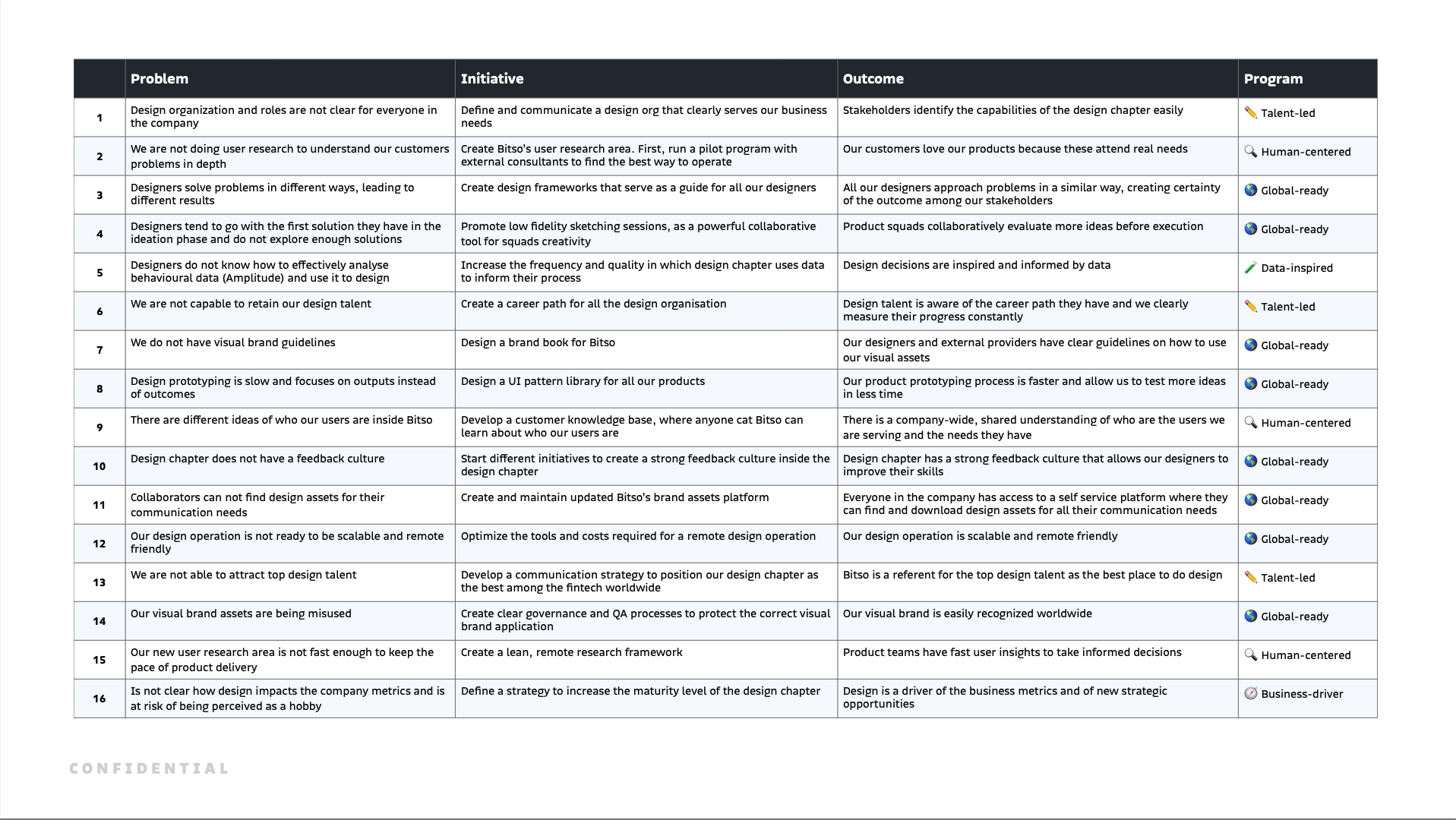
Design teams aim to create products with excellent user experiences.
The definition of a great product depends on many factors: industry (fintech, SaaS, travel), company size, end user type (B2C, B2B, B2B2C), market dynamics, competitors, and more. While the end user and their needs are central, understanding the broader business context is essential before designing a strategy to scale the design practice—only with that context can we identify where design will deliver the most value.
In mid-to-large organizations, designers struggle to standardize and apply consistent practices across teams. The head of design must set high standards and lead the team to meet them daily. Design excellence comes from a mature design organization, though its exact meaning and goals differ by company.

Shaping a vision for the design organization
First, clarify what the organization expects from design—whether it’s focused on craft or on strategic innovation. As a design leader, adapt your plan so the team consistently delivers value. Capture this in a design playbook that links chosen methods to the purpose of design. Remember the vision should evolve over time as the team matures and proves its impact.
Design excellence
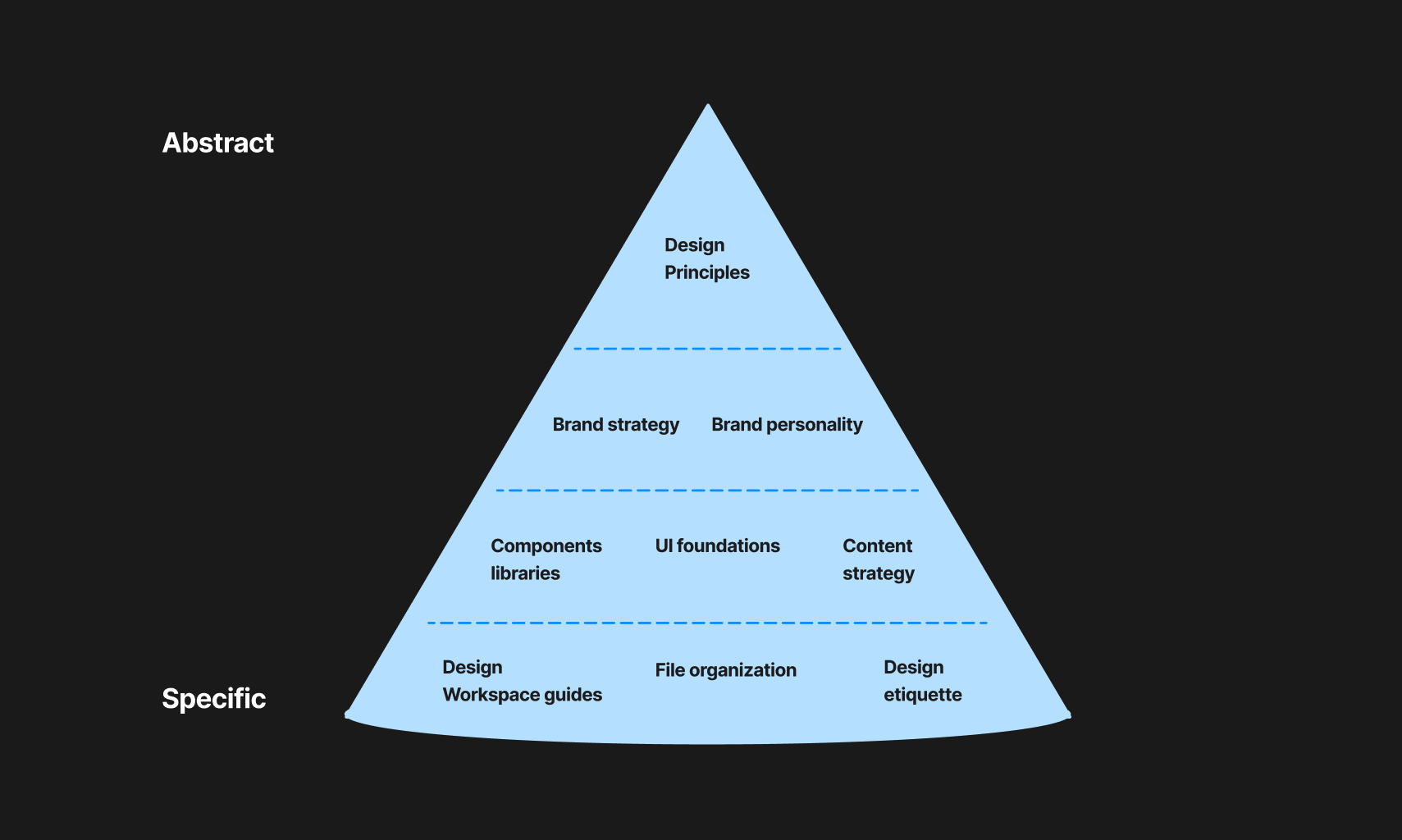
Always begin by defining and using a shared design language. The main challenge in scaling design is getting different contributors to design consistently so everything feels like it came from one person. A design language also helps make feedback consistent and avoid subjective reactions. Start building it from broad principles, then move to specific guidelines and rules.


Designing the process
After setting design expectations and quality, define the processes to follow. This needs more collaboration with cross-functional peers during product discovery and delivery. We must keep delivering value to the organization and ensure design fits smoothly into the wider product process.
The product design workflow will vary by product, but should always use clear milestones and key deliverables. Breaking work into smaller steps helps deliver value faster and ensures the design language is used correctly.
This way of working and consistent use of the design language form the basis for evaluating design team performance.
Once there is clarity about the design language and the way of working, it is time to evaluate and optimize the professional roles the team needs to work better according to the design process. This may mean implementing generalists or specialists roles, adding or removing leaders, and so on.
Defining the desired competencies for the design roles and building leveling matrix is the first step into having more clear individual expectations and more objective performance reviews that can lead to professional growth of the team.
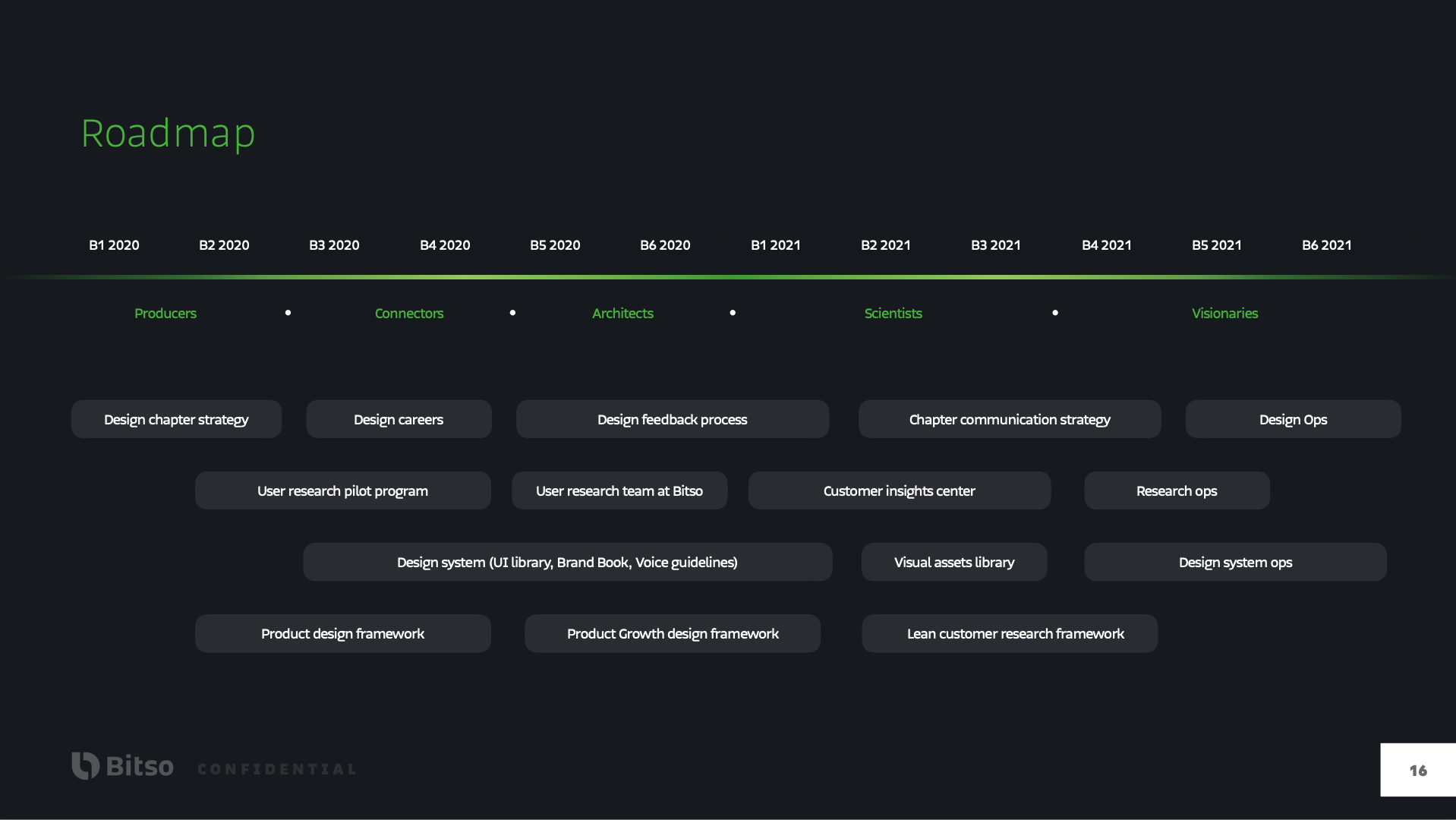
And of course the most important part of all, executing the plan. Building a design excellence culture takes time and it’s important to clearly communicate the program and the expected outcomes as roadmaps.